
Fifteen faceless channels, one method, and what you actually take home
We pulled fifteen faceless YouTube channels that are quietly making money, grouped them by niche, and wrote down exactly what each one does that you could copy this week. None of them show a face. All of them run on a format, a title pattern and a publishing rhythm, and once you see the pattern in one, you start seeing it everywhere.
Every number in this teardown is a public vidIQ estimate captured on July 22, 2026, not an official figure from the channels themselves. Estimated monthly earnings, subscriber counts and seven day views are exactly that, estimates, and real RPM swings hard by niche and country. Together the fifteen channels add up to roughly $75K a month in estimated revenue, which is why they are worth studying rather than worshipping, and why none of this is a promise of income.
For each channel you get four things: the niche and why it converts, the dominant format, the title pattern it repeats, and the doubling play that lets a single idea become two or three channels. Read it as a menu. You are not meant to clone one channel, you are meant to lift the one move from each that fits what you can actually make.
That is also the honest case for studying working channels instead of inventing from a blank page, and it is the exact idea the Spy and the channel modeler in FalconVid are built on: you do not start from zero, you start from what already monetizes. Point them at a niche and they read the channels already earning there and pull out the pattern behind them, the format, the title shape and the publishing rhythm, which turns the menu below into a process you can repeat next month instead of an article you bookmark and forget.
Emotional stories: family drama read aloud, and why it never runs dry
Emotional story channels work because the raw material is infinite and the emotion is universal. Betrayal, family injustice, a mother crossing a line, these are stories people will watch to the end to find out how it resolves, which is exactly the retention signal YouTube rewards. The format is long form narration over simple visuals, closer to an audiobook than a video, and it plays perfectly while someone cooks or commutes.
The title pattern is a first person cliffhanger that stops mid scene. My Mom Whispered To Dad at My Birthday Dinner.. trails off on purpose, because the open loop is the click. Notice there is no keyword here at all, these titles win on browse and suggested, not search, so the promise and the tension carry the whole load.
The two channels below sit at opposite ends of the same idea. One is proving the format at small scale, the other has already turned it into a factory.

Another Story
@JustanotherstoryyYT- Subscribers
- 18.8K
- Cadence
- ~6/wk
- Avg. length
- 16 min
- Views (7 days)
- +95K / 7d
Titles it publishes
 355
355POV: You Learned to Make Money Without Looking Wealthy — Everything Changed
 5K
5KThe Moment You Realize You Don't Have to Work Anymore
 8K
8KPOV: You Stopped Chasing a Bigger Salary — Everything Changed
A tiny channel proving the format before the audience shows up: an anime style avatar narrating life and money stories over lifestyle and real estate thumbnails. The lesson to copy is patience, 101 videos in the bank at only 18.8K subscribers, building the library that compounding rewards later.
View channel
Calm Drama Stories
@CalmDramaStories- Subscribers
- 90.7K
- Cadence
- ~21/wk
- Avg. length
- 62 min
- Views (7 days)
- +874K / 7d
Titles it publishes
 5.4K
5.4KAt My Own Baby Shower, My Mother-In-Law Told Me To "STOP EATING FOR TWO." My Mother Heard Every Word
 48K
48KMy Parents Always Joked I Wasn’t Really Their Daughter. Dad Joked "THE HOSPITAL WON'T TAKE HER BACK"
 13K
13KMy Husband Quit His Job 3 Days After My Dad Died: "YOUR INHERITANCE IS ENOUGH FOR BOTH OF US"..
The volume monster of the list: about 21 uploads a week and 592 videos have compounded into 90.7K subscribers and an estimated $18.3K a month. Copy the machine, not the topic, long form Reddit style family drama read aloud, one clean template repeated until the catalog itself becomes the moat.
View channelHistory and ancient mysteries: curiosity that pays a premium
History and mystery convert because they run on curiosity, and curiosity is the cheapest hook to write and the hardest to resist. The audience skews older and more patient, which lifts both watch time and RPM, so these channels earn more per view than the raw subscriber counts suggest. The dominant format is documentary narration over stock footage, maps, reconstructions and AI imagery, stitched into a calm authoritative voice.
The title patterns split into two reliable shapes. One is the round number listicle with a bold claim, 10 Prehistoric Maps Drilling Crews Just Proved Were Right All Along. The other is the flat out curiosity gap, PROOF OR HOAX?, that promises a verdict without giving it away. Both are engineered to open a loop your brain wants closed.
This group also holds the single most important data point in the whole teardown, a Portuguese channel out earning the English ones per video, which is the doubling lesson we come back to at the end.

Prehistoric Joe
@PrehistoricJoeYT- Subscribers
- 19.1K
- Cadence
- ~4/wk
- Avg. length
- 52 min
- Views (7 days)
- +101K / 7d
Titles it publishes
 6.1K
6.1K10 Prehistoric Catastrophes That Ended a World Older Than Ours
 862
86210 Prehistoric Discoveries Too Disturbing For The History Books
 866
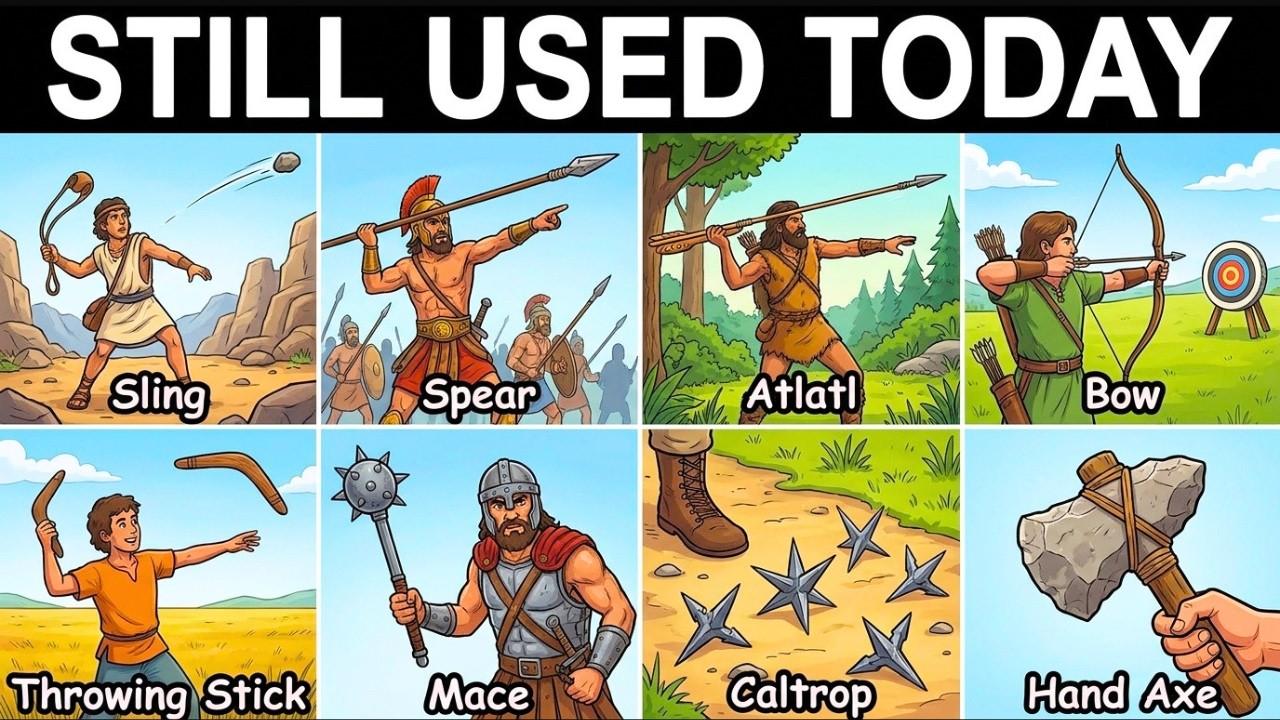
86610 Prehistoric Weapons Modern Militaries Still Copy Today
Documentary listicles about deep history, priced like a premium niche: 51 videos, 19.1K subscribers and about $2.9K a month at only 4 uploads a week. Copy the title skeleton, a round number plus a bold historical claim, 10 Prehistoric Civilizations That Changed History As We Know It.
View channel
Genesis Chamber
@GenesisChamberUS- Subscribers
- 70.9K
- Cadence
- ~5/wk
- Avg. length
- 24 min
- Views (7 days)
- +93K / 7d
Titles it publishes
 6.7K
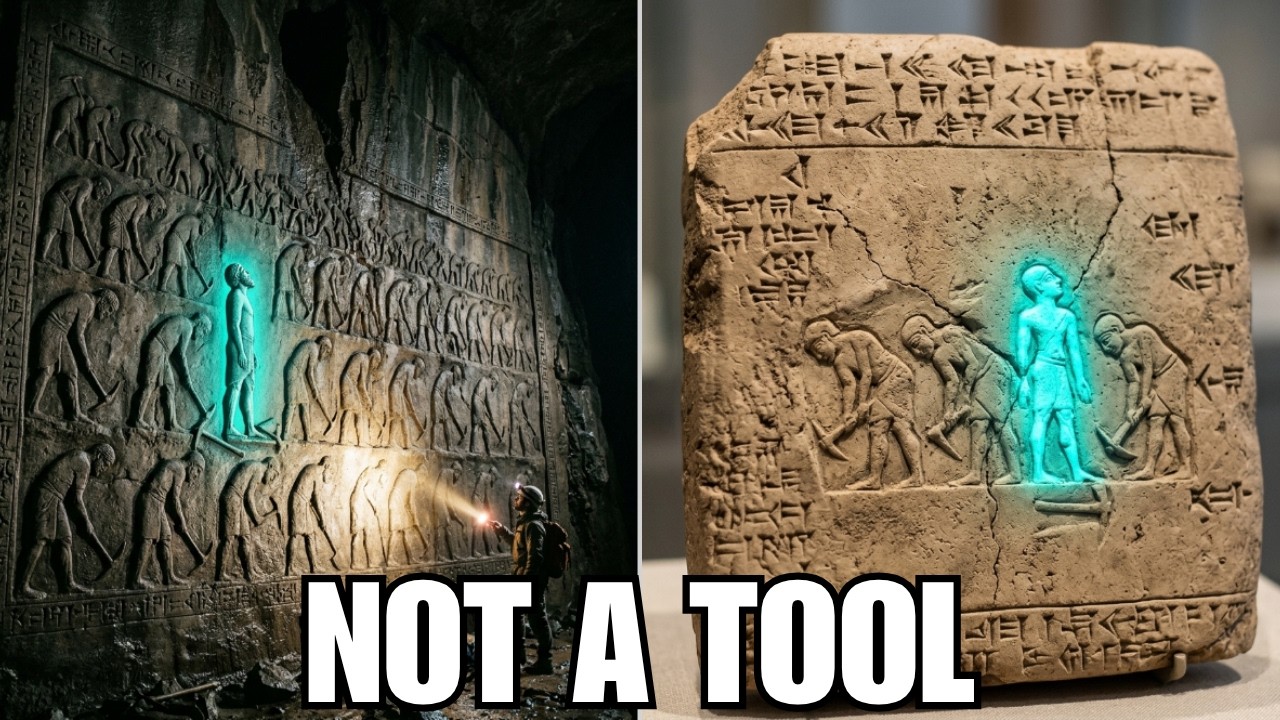
6.7KThe Sumerian Tablet That Says Humans Were Never Meant to Work — And Describes What We Did Instead
 12K
12KThe Sumerian Tablet That Describes What's Sealed Beneath Göbekli Tepe — And Why It Was Covered
 38K
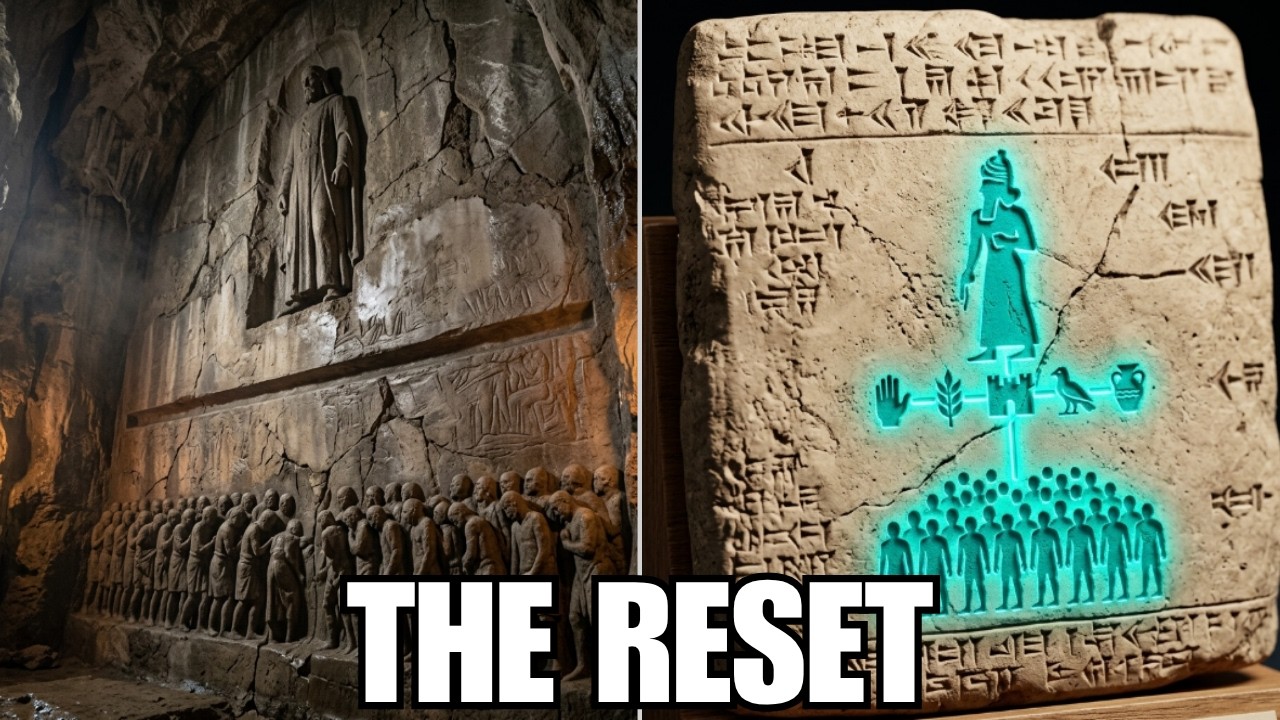
38KThe Sumerian Tablet That Describes Who Won the Second War for Earth — And What They Changed
Ancient mystery built on a single repeatable hook: the Sumerian tablet. 84 videos took it to 70.9K subscribers and about $1.9K a month. Copy the anchor object idea, one recurring artifact that lets every video open with The Sumerian Tablet That.. and still feel new.
View channel
Origin Decoder
@OriginDecoder- Subscribers
- 37.6K
- Cadence
- ~7/wk
- Avg. length
- 27 min
- Views (7 days)
- +103K / 7d
Titles it publishes
 10K
10KA New Study Claims The Great Pyramid Is 23,000 Years Old — Scientists Can't Explain It
 14K
14KScientists Found A Message From 40,000 Years Ago Nobody Can Explain
 8.9K
8.9KWhat DNA Reveals About The Navajo Explains Why The Anasazi Disappeared
The cadence outlier of the history group: 196 videos and 7 uploads a week feeding 37.6K subscribers and about $2.1K a month. Copy the thumbnail hooks that dare you not to click, PROOF OR HOAX? and 99% IS STILL BURIED, curiosity gaps that survive in any language.
View channel
Sol da Ciência
@ScienceSun-b4r- Subscribers
- 77.3K
- Cadence
- ~3/wk
- Avg. length
- 26 min
- Views (7 days)
- +525K / 7d
Titles it publishes
 541
541Nepal Flood Today: The Real Causes and Consequences Revealed. Full Details Here
 3.2K
3.2KHow Ancient Humans Survived the Ice Ages and Lived in Impossible Conditions
 7.3K
7.3KWhere Did 6 of the 7 Wonders of the Ancient World Really Go?
The revenue per video champion and the proof this works outside English: a Portuguese science mystery channel with only 46 videos pulling about $11.2K a month, subscribers up 21 percent in a week. Copy the takeaway, a strong niche in your own language can out earn a bigger English catalog.
View channelSkills and survival: nostalgia, an older audience, and a fat RPM
This niche targets an older, mostly American audience with money and time, which is why the RPM runs high even when subscriber counts stay modest. The emotional engine is nostalgia and a little pride, the sense that older generations knew things we have forgotten. The format is a narrated countdown over vintage imagery, warm and slow, built for viewers who watch to the end and click the next one.
The title pattern here is the sharpest listicle template in the whole list, and it names its audience out loud. 25 LOST Workshop Skills Every American Boy Learned From His Father does three things at once: a specific number, a lost knowledge frame, and a named identity the viewer belongs to. Swap the noun and you have a hundred videos.
The two channels below are the clearest example of the niche doubling play, one brand deliberately split across two adjacent topics, which we break down in full later.

Forgotten American Skills
@forgottenamericanskills- Subscribers
- 15.4K
- Cadence
- ~4/wk
- Avg. length
- 27 min
- Views (7 days)
- +102K / 7d
Titles it publishes
 35K
35K25 POOR MAN’S Car-Camping Tricks That Make $10,000 Overlanding Setups Look Like a Scam
 8.7K
8.7K"25 POOR MAN’S Campsite Fixes That Make Expensive Outdoor Gadgets Look Like a Scam"
 29K
29K"25 POOR MAN’S Campsite Comfort Tricks That Make $500 Camping Gadgets Look Ridiculous"
Nostalgia aimed straight at an older, high RPM audience: 47 videos, 15.4K subscribers and about $1.3K a month climbing fast. Copy the hyper specific listicle title with a named audience, 25 LOST Workshop Skills Every American Boy Learned From His Father, where the number and the who do all the work.
View channel
Forgotten American Survival
@ForgottenAmericanSurvival- Subscribers
- 61.2K
- Cadence
- ~5/wk
- Avg. length
- 32 min
- Views (7 days)
- +210K / 7d
Titles it publishes
 4.6K
4.6K20 "Poor Man" Survival Tools You Build From Garage Scraps Making $3,000 Prepper Kits Look Ridiculous
 2.7K
2.7K20 “Poor Man” Roadside Survival Tricks That Make $500 Emergency Car Kits Look Like a Scam
 1.7K
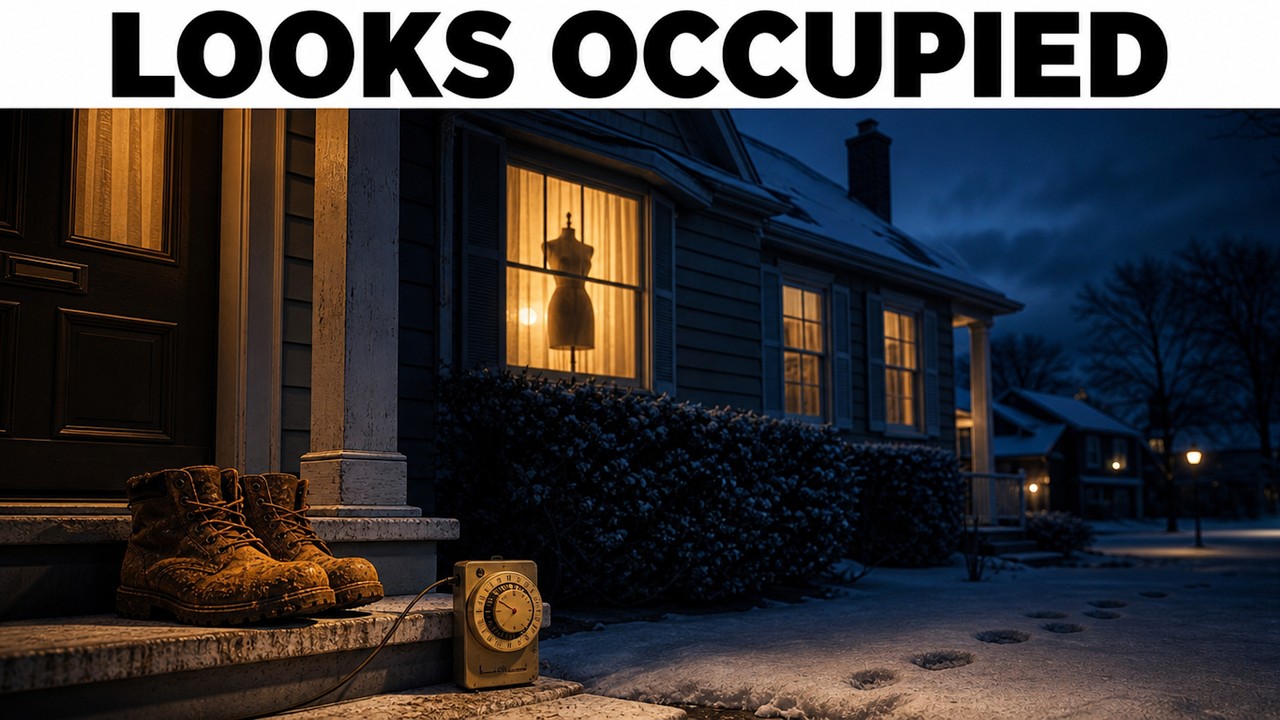
1.7K25 Forgotten Ways Families Made an Empty House Look Occupied Before Cameras Existed
The sister brand, same look and title formula bent from skills into survival: 64 videos, 61.2K subscribers, about $3.8K a month and a 77 percent subscriber jump. Copy the move itself, fork a proven format into an adjacent niche instead of inventing a new channel from scratch.
View channelFinance: short, punchy, and permanently in demand
Finance is the classic high RPM niche because the audience is worth a lot to advertisers, and the topics never expire. Debt, inflation, whether the economy is fine, these questions renew themselves every month with fresh news to react to. Casual Finance runs the short form version of it, three minute whiteboard explainers that answer one anxious question fast.
The title and thumbnail pattern is pure emotional tension in three words or fewer. Are We Cooked? and Open Your Eyes are not information, they are a feeling, and the feeling is what earns the click on browse and Shorts style feeds. The video then delivers the calm explanation the thumbnail made you crave. Seven uploads a week keep the channel constantly resurfacing.

Casual Finance
@CasuallyFinance- Subscribers
- 291K
- Cadence
- ~7/wk
- Avg. length
- 3 min
- Views (7 days)
- +598K / 7d
Titles it publishes
 680K
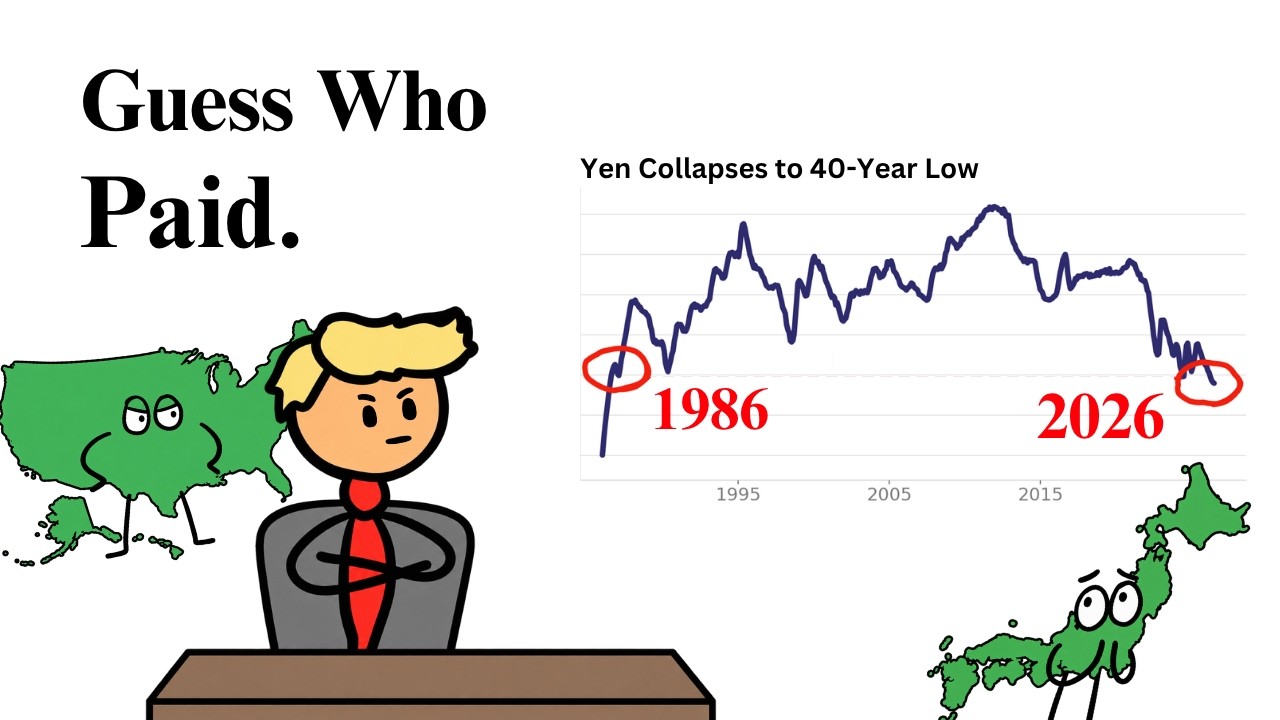
680KNobody Wants To Admit Why America Just Bailed Out Japan
 392K
392Kit’s boring, but it’s what bursts the ai bubble
 450K
450KThe AI Bubble Survives on $1.65 Trillion in Hidden Debt
Finance at short form speed: 3 minute whiteboard explainers, 139 videos, 291K subscribers and about $5.6K a month, with 7 uploads a week keeping it in the feed. Copy the punchy thumbnail hooks, Open Your Eyes and Are We Cooked?, tension in two or three words over a simple visual.
View channelScience and curiosity: two opposite bets that both print
Science and curiosity content converts because it flatters the viewer, watching feels like learning even when it is pure entertainment. The niche is broad enough to touch any topic and evergreen enough that a good video keeps earning for years. What makes this pair interesting is that they bet in opposite directions and both win.
Zenn runs animated explainers with brutally short thumbnail hooks and a tiny catalog. Sleepy Science runs the opposite, marathon length calm content designed to be left playing overnight. One optimizes for a sharp click, the other for raw watch time, and the estimates prove there is no single right answer, only a coherent bet executed with discipline.

Zenn
@Zenn0009- Subscribers
- 169K
- Cadence
- ~2/wk
- Avg. length
- 8.4 min
- Views (7 days)
- +122K / 7d
Titles it publishes
 67K
67KThe Slotow Effect
 12K
12KWhat Do Blind People Actually See?
 12K
12KWhy Nobody Smiled In Old Photos
The less is more case: only 28 videos, yet 169K subscribers and about $4.4K a month at roughly 2 uploads a week. Copy the discipline, an animated stick figure explainer with brutal one word thumbnails like WHY YOU? and STUPID proves cadence beats raw volume when each video lands.
View channel
Sleepy Science Channel
@SleepyScienceChannel- Subscribers
- 316K
- Cadence
- ~5/wk
- Avg. length
- 137 min
- Views (7 days)
- +554K / 7d
Titles it publishes
 128
128100 Amazing Universe Facts to Fall Asleep To | No Adverts
 16K
16KThe Most Relaxing Nutrition Facts to Fall Asleep To — No Adverts
 21K
21KThe Most Relaxing Facts About Antimatter to Fall Asleep To
Watch time as the whole strategy: 137 minute science tracks built for passive retention while you fall asleep, 286 videos, 316K subscribers and about $5.2K a month. Copy the length play, ultra long calm content banks enormous watch time even at low intensity attention.
View channelPsychology and behavior: the stick figure format that travels
Psychology is the most portable niche on this list because the format is nearly free to produce and instantly relatable. Simple animated stick figures act out a behavior everyone recognizes in themselves or someone they know, and the video names it. Low production cost plus universal subject matter is why the same template shows up in multiple languages.
The title engine is the behavioral callout. People Who HATE Small Talk and Personas que triunfan mas tarde both work by naming a tribe the viewer either belongs to or wants to understand. It is identity bait, and identity travels across borders untouched, which is exactly why this group contains the cleanest language pair in the teardown.
Three channels here, two of them running the identical format in English and Spanish, and a third proving the same skeleton works for habits and self growth.

La Psicología Invisible
@LaPsicologiaInvisible- Subscribers
- 205K
- Cadence
- ~4/wk
- Avg. length
- 4.4 min
- Views (7 days)
- +392K / 7d
Titles it publishes
 10K
10KThe Psychology of People Who Love Being Alone
 9.3K
9.3KThe Psychology of People Who Drink Coffee Immediately After Waking Up
 8.1K
8.1KThe Psychology of People Who Love Being Alone
Half of the clearest language pair on this list: a Spanish psychology channel, 55 videos, 205K subscribers and about $4.7K a month. Copy the second language play, same stick figure psychology format, Spanish audience, a script cost that was already paid once in another market.
View channel
Psychology Simplified
@PsychologyIsSimplified- Subscribers
- 274K
- Cadence
- ~2/wk
- Avg. length
- 8.3 min
- Views (7 days)
- +49K / 7d
Titles it publishes
 5.8K
5.8KPsychology of People Who Need Everything Under Control
 2K
2KWhy You Can't Stop Overthinking: The 5 Levels Explained
 2.6K
2.6KWhy Highly Competent People Secretly Resent Being Needed
The English half of the same format: 99 videos, 274K subscribers and about $1.9K a month, more subscribers but a lower estimate than its Spanish twin. Copy the People Who.. title engine, People Who HATE Small Talk names the viewer and their tribe in four words.
View channel
The Success Paradox
@thesuccessparadox- Subscribers
- 89.3K
- Cadence
- ~3/wk
- Avg. length
- 12 min
- Views (7 days)
- +56K / 7d
Titles it publishes
 272
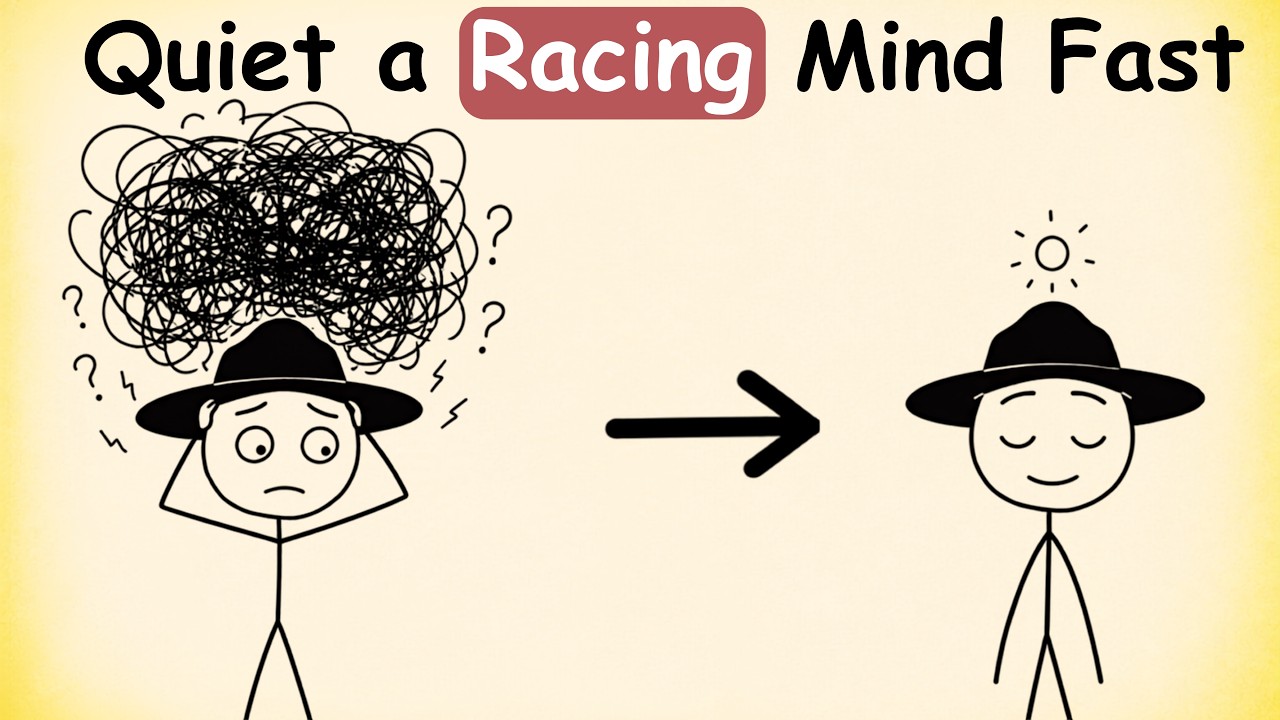
2723 Simple Tricks to Quiet a Racing Mind Fast
 1.9K
1.9K3 Brain Tricks That Make You Calm in 30 Seconds
 6.9K
6.9K6 Tiny Habits That Make You Happier Than 90% of People
Self growth in stick figure sketches: 109 videos, 89.3K subscribers and about $1.5K a month at a calm 3 uploads a week. Copy the numbered promise, 3 Morning Habits Make your Brain Happy, a small count and a clear benefit that reads the same in every language.
View channelGeography and maps: turning a map into a cliffhanger
Geography looks like a dry niche until you watch someone turn a map into a mystery. Map Pack is the biggest channel in this teardown at 429K subscribers, built on documentary storytelling drawn over maps, borders, distances and hidden places. The visual is doing double duty, it teaches and it withholds at the same time.
The thumbnail hooks are pure suspense stripped of context. IS IT REALLY TRUE? and ONLY 2.5 MILES make no sense on their own, and that is the point, the only way to resolve the tension is to click. A 76 minute average length then banks serious watch time once the click lands, pairing a browse style hook with a documentary style retention play.

Map Pack
@MapPack- Subscribers
- 429K
- Cadence
- ~4/wk
- Avg. length
- 76 min
- Views (7 days)
- +289K / 7d
Titles it publishes
 62K
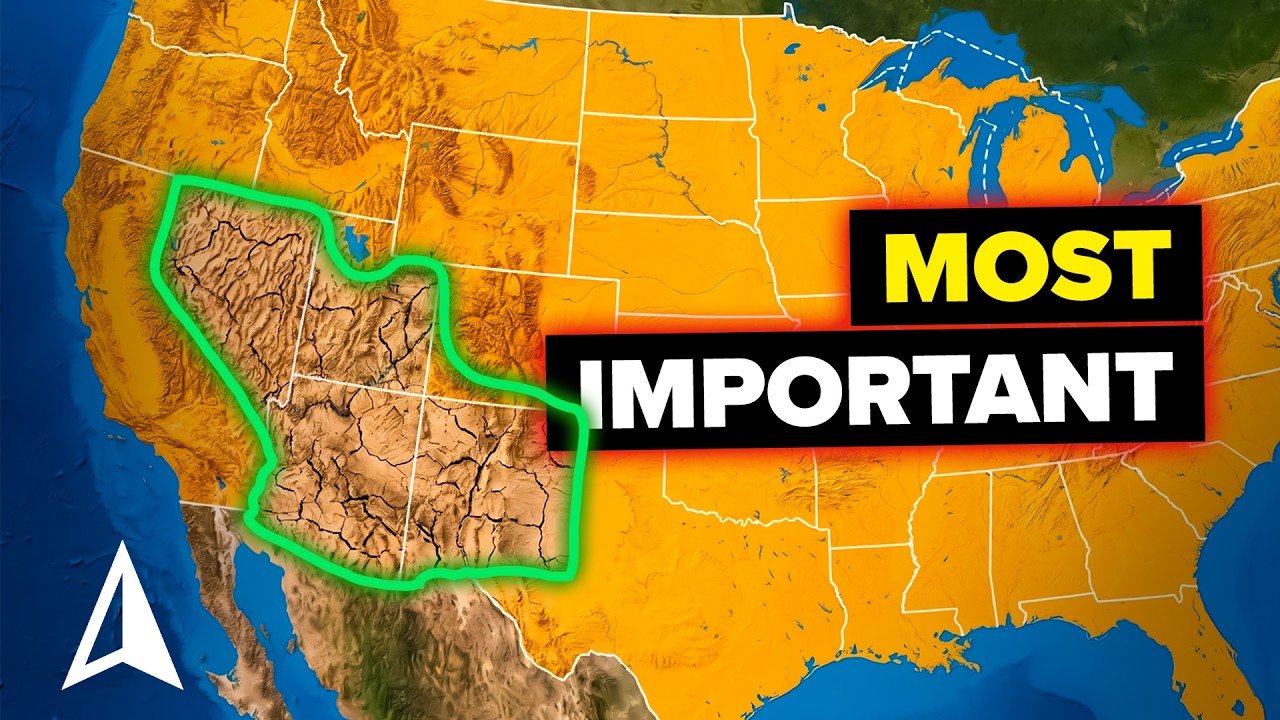
62KThis Desert Is America's Greatest Asset. Here's Why
 80K
80KAmerica’s Two Day War Plan That Terrifies China
 18K
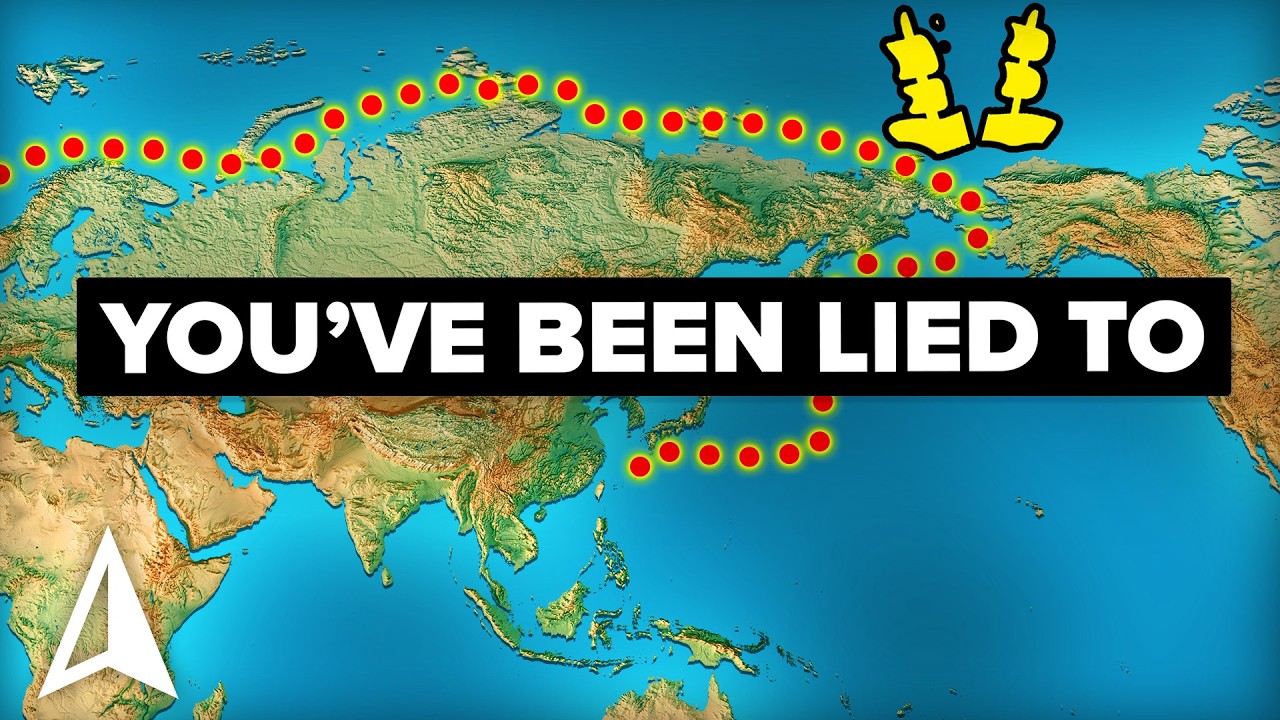
18K2 Hours Of Geography's Secret Passageways
The biggest audience on the list: 429K subscribers, 280 videos and about $8K a month from documentary storytelling drawn over maps. Copy the mystery thumbnail hooks, IS IT REALLY TRUE? and ONLY 2.5 MILES, geography turned into a cliffhanger anyone will click.
View channelLesson one: consistency is the engine, not the topic
Line the channels up by output and a pattern jumps out. Calm Drama publishes about 21 times a week and sits on 592 videos. Sleepy Science has 286, Map Pack 280, Origin Decoder 196. The channels earning the most are almost always the channels that showed up the most, because every upload is another lottery ticket in the algorithm and another entry in a searchable library that keeps paying out.
But consistency is not the same as blind volume, and Zenn is the proof. With just 28 videos it holds 169K subscribers and about $4.4K a month, more per video than almost anyone here. The difference is that Zenn is consistent in a different unit, a steady cadence of high effort videos, roughly two a week, each one polished enough to carry its own weight.
So the real rule is sustainable cadence, whatever cadence you can actually hold for a year without burning out. A channel that posts three solid videos a week for twelve months beats one that posts twenty in a fortnight and then disappears. The engine only works if it keeps turning.
It is worth naming what those numbers cost, because the tables hide it. Calm Drama at 21 uploads a week is a team, not a person with a laptop, and 592 videos produced by hand at four to eight hours each is a couple of years of full time work. That is the ceiling almost every reader hits around video twenty. A pipeline changes the unit rather than the effort: in FalconVid the research, script, narration, editing and sound design run at the same time instead of in a queue, so a long video is finished in up to 30 minutes, and videos are produced side by side, 2 concurrent generations on Starter, 5 on Pro, 10 on Business, 25 on Agency and 50 on Scale. Cadence stops being a question of stamina and becomes a question of how many slots you put on the calendar.
- Calm Drama: about 21 uploads a week and 592 videos, the clearest volume to revenue line on the list
- Sleepy Science 286 videos, Map Pack 280, Origin Decoder 196, all deep libraries that keep resurfacing
- Every upload is another algorithm lottery ticket and another searchable entry that earns for months
- Zenn is the counterweight: only 28 videos, yet 169K subscribers on roughly two polished uploads a week
- Consistency means a cadence you can hold for a year, not a burst you abandon in a fortnight
- Pick the pace you can sustain, then never break it, the compounding lives in the streak
Lesson two: the same title skeleton jumps from niche to niche
Read the titles across all fifteen channels and you stop seeing fifteen ideas and start seeing four or five reusable skeletons wearing different costumes. The listicle with a named audience is one, 25 LOST Workshop Skills Every American Boy Learned From His Father. The behavioral callout is another, People Who HATE Small Talk. The pure curiosity gap is a third, PROOF OR HOAX? and IS IT REALLY TRUE?. The numbered promise with a benefit is the fourth, 3 Morning Habits Make your Brain Happy.
The important part is that these skeletons are niche agnostic. People Who.. was born in psychology but works untouched for finance, fitness or hobbies. The round number listicle carries history, skills, survival and geography with a single word swapped. Once you own a skeleton, you own a template you can point at any subject.
This is why title research is really pattern research. You are not hunting for the perfect one off headline, you are collecting formulas that have already proven they make strangers click, then feeding your topics through them. The winners on this list did not invent new title shapes, they found the ones that work and ran them into the ground.
A formula is also the kind of instruction a machine follows without ever getting bored, which is why this is the part of the job that automates cleanly. FalconVid writes the title, the description and the tags as part of generating each video, and the thumbnail comes from the channel's own settings rather than a fresh design decision at eleven at night, so the skeleton you picked is applied on video 200 exactly as it was on video 3. The judgment stays with you, which skeleton to use and which topics to run through it. What leaves is retyping the formula fifteen times a week.
- Listicle with a named audience: round number plus who it is for, 25 LOST Workshop Skills Every American Boy Learned From His Father
- Behavioral callout: People Who HATE Small Talk names a tribe the viewer belongs to
- Pure curiosity gap: PROOF OR HOAX? and IS IT REALLY TRUE? promise a verdict without giving it
- First person cliffhanger: My Mom Whispered To Dad at My Birthday Dinner.. trails off on purpose
- Numbered promise with a benefit: 3 Morning Habits Make your Brain Happy, small count, clear payoff
- The same four skeletons cover every niche in this teardown, only the nouns change
Lesson three: double the niche, double the language
This is the move the whole teardown is built around, and it comes in two flavors. The first is language doubling. La Psicología Invisible in Spanish holds 205K subscribers and an estimated $4.7K a month, while Psychology Simplified in English holds 274K and about $1.9K. They are the same stick figure psychology format in two languages, and the second language is nearly free: the script and the concept were already paid for once, so a translated, natively voiced version just opens a brand new audience at the margin.
The second flavor is niche doubling. Forgotten American Skills and Forgotten American Survival share the same brand, the same look and the same title formula, split across two neighboring niches. Instead of reinventing a channel, they forked a proven format into an adjacent topic and doubled the inventory overnight. One creative system, two channels feeding on it.
Put both together and the strategy is simple to state. When a format or a title wins in one place, do not just make more of it in the same lane, test the exact same skeleton in an adjacent niche or in another language. The riskiest part of a new channel, finding a format that works, is already done. You are just pointing a proven machine at a new audience.
The reason the play stays rare is cost: doubling a channel by hand means doubling the production, and nobody has that spare capacity in the same month they finally got the first one working. In FalconVid you duplicate a project into another language and pay only the difference instead of producing a new video from scratch, with narration available in 63 languages, and every channel keeps its own calendar, identity, language and publishing targets. Channels scale with the plan as well, 1 on Starter, 5 on Pro, 10 on Business, 25 on Agency and 50 on Scale, so forking a proven format into an adjacent niche becomes a setup decision rather than a second job.
- Language doubling: La Psicología Invisible (ES, 205K, about $4.7K) and Psychology Simplified (EN, 274K, about $1.9K) are one format in two languages
- The script is already paid for, so a second natively voiced language is low marginal cost and a fresh audience
- Niche doubling: Forgotten American Skills and Forgotten American Survival are one brand forked into two adjacent niches
- Fork a proven format instead of inventing a new channel, and you double the inventory without doubling the risk
- The rule: take a title or format that won once, then run the same skeleton in a new niche or a new language

How FalconVid runs all of this on autopilot
Everything in this teardown, the cadence, the repeated title skeleton, the language doubling, is exactly what a pipeline does better than a person. With FalconVid you approve a calendar, which days, how many videos and the exact time each one goes out, and the videos are generated and published on their own, every day, with voice, captions and a thumbnail already attached. You approve the schedule, not a script every morning.
The language doubling that took two separate channels above is native here. FalconVid narrates in up to 63 languages with native voice, so running the same format in English and Spanish is a setting, not a second production. It publishes across five networks, YouTube, Instagram, TikTok, Rumble and Facebook, and can pull topics from an RSS feed, so the cadence these channels grind out by hand comes out of the machine automatically.
The budget deserves real numbers with the quality mode named, because the mode decides them. A 12 minute long video costs 1,584 credits in economy, 9,000 in balanced and 27,084 in premium. Starter includes 15,000 credits, which is 9 videos if you stay in economy the whole month or exactly one if you shoot everything in balanced, and since nobody runs a month on a single mode, the realistic Starter plan is around 4 videos a month, most in economy with the one that matters pushed to balanced. Pro includes 30,000 credits and 5 channels, which is 18 economy videos, Business includes 95,000 and 10 channels for 94, up to Scale with 50 channels, 50 concurrent generations and 317 economy videos a month. Every creation feature is on every plan, so what you climb for is volume, concurrency, channels, the Senior Analyst from Pro up and support, and there is a free plan with 4 videos a month and no card.
The topic and the calendar stay your decision, the niche is yours to pick, but the daily production and posting that breaks most faceless channels is handled. Which gives this teardown its honest two track ending: done by hand, one person tops out near three long videos a week, which is exactly why the biggest libraries on this list belong to teams and why most people who try to copy them stall around video twenty. With production running in parallel, the cadence that built these libraries is a calendar setting, and the ceiling moves to how many channels you can actually review. You still choose the bet, you just do not type it out fifteen times a week.
- You approve the calendar, days, how many videos and the exact time, then it generates and posts on its own
- Native language doubling: up to 63 languages with native voice, the same format in a new market is a setting
- Publishes to five networks: YouTube, Instagram, TikTok, Rumble and Facebook, with automatic voice, captions and thumbnails
- RSS to video pulls topics in automatically, so the cadence these channels grind by hand comes out of the pipeline
- A 12 minute video costs 1,584 credits in economy, 9,000 in balanced, 27,084 in premium: always read the mode next to the number
- Starter includes 15,000 credits, around 4 videos a month mixing modes, or 9 straight economy
- Videos run in parallel and are ready in up to 30 minutes: 2 concurrent generations on Starter, 50 on Scale