
Bilibili opened the gate in August, and nobody published the RPM
On August 19, 2026, Bilibili confirmed what its own X account summed up in three words: it is going global. The international app came back on Google Play, the identity verification that blocked foreigners for years was dropped (email or phone is enough now), and the company started hiring community managers in Los Angeles, London, Mexico City, Sao Paulo, Istanbul and Tokyo. An English website and a creator marketplace for brand deals are listed as coming, not live.
This is not a startup knocking on the door. Bilibili's second quarter of 2026, reported at the end of August, shows 116.5 million daily active users, 371 million monthly, and an average of 113 minutes per person per day, up from 105 a year earlier. Revenue was RMB 7.94 billion (about US$1.17 billion), and advertising alone was RMB 3.13 billion (US$461.4 million), up 28%, its fourteenth straight quarter growing at least 20%. Net profit grew 55%.
Then came the number everybody repeated: reports put the payout at US$0.70 per 1,000 views. That number is real, and it is also the most misleading figure in this entire story. The rest of this page takes it apart, and then shows you what the same content formats are worth on the platform we can actually measure.
- Daily users: 116.5 million, up 7% year over year.
- Time on app: 113 minutes a day per user, up from 105.
- Ad revenue: RMB 3.13 billion in one quarter, growing 28%.
- Creator incentive: RMB 1 to 5 per 1,000 plays before multipliers.
- What it takes to qualify: 1,000 followers and real-name verification.
- What our Spy measured on the other side of the wall: 12 channels, $434,821 a month at the floor of the range.
How Bilibili actually works inside China
The first thing to unlearn is that Bilibili is a Chinese YouTube clone. The interface habits are different enough to change what a video has to do. Comments do not sit under the player, they fly across it: danmaku, the bullet comments that scroll over the frame in real time. A video that produces no danmaku reads as dead to the audience, no matter how many plays it has.
The engagement unit is not the like. It is the triple: like, coin and favourite in one gesture. Coins are the strange one. Every user gets a small daily allowance of them and spends them on videos worth it, which makes a coin a scarce vote rather than a free tap. Triple rate is the quality signal the platform trusts most, and, as you will see two sections down, it multiplies your payout directly.
There is also a door. To become a formal member, able to post danmaku and use the full account, you take an exam. It still exists in 2026: roughly 40 points on community rules, 10 on whether a given bullet comment is compliant, and 50 on a module you choose yourself, passing at 60. It filters drive-by accounts, and it is the reason the community tone is stickier than a comment section built on zero friction.
One more structural fact that changes everything for a long-form creator: in 2023 Bilibili swapped its public counter from plays to minutes watched. The visible number under a video is time, not clicks. If you have ever read our piece on the 8,000 watch hours rule landing in 2027, you already know why that matters: a platform that counts minutes rewards the 20-minute video that holds, and punishes the 60-second bait that does not.
The real Bilibili RPM, piece by piece
The Creator Incentive Program pays a base of RMB 1 to 5 per 1,000 plays, and then multiplies it twice. First by the content zone: knowledge 1.3x, ACG 1.1x, lifestyle 1.0x, gaming 0.9x, entertainment 0.8x. Then by triple rate: around 1.0x at 3%, 1.5x at 5%, and 2.0x at 8% or more. Eligibility is 1,000 followers plus real-name verification.
Run the arithmetic. The top of the base band, RMB 5 per 1,000 plays, is roughly US$0.74. That is where the widely repeated US$0.70 came from: it is the ceiling of the band, quoted as if it were the average. The floor of the same band, RMB 1, is about US$0.15. And Chinese creator write-ups in 2026, after the program was cut again in 2024, describe the number people actually see as RMB 5 to 20 per 10,000 plays, which is US$0.07 to US$0.29 per 1,000.
Now put that next to the platform we measure. Across the 12 channels on this page, the RPM bands our Spy applies run from US$3.00 to US$13.20 per 1,000 views, depending on niche and audience country. That is the honest headline: for the same view, the ad money on the platform you already know is roughly ten to a hundred times what the Bilibili incentive pays. If you want the country-by-country version of that table, we broke it down in YouTube CPM by country.
This is not an argument against Bilibili. It is an argument against treating the incentive as the business. Nobody on Bilibili lives off plays. The money there is in the four taps below, and every one of them is a function of how much you publish and how consistently you publish it. Which is exactly the part a pipeline solves: FalconVid exists so the volume stops being the constraint, and you get to spend your week on the part that decides the check.
- Base: RMB 1 to 5 per 1,000 plays, roughly US$0.15 to US$0.74.
- Zone multiplier: knowledge 1.3x, ACG 1.1x, lifestyle 1.0x, gaming 0.9x, entertainment 0.8x.
- Triple multiplier: about 1.0x at 3%, 1.5x at 5%, 2.0x at 8% or above.
- What creators report in practice: RMB 5 to 20 per 10,000 plays after the 2024 cut.
- The bands our Spy applies on the measured platform: US$3.00 to US$13.20 per 1,000 views.
The five money taps of a Bilibili creator
Ask a creator there how they get paid and you will not hear about plays. You will hear a stack. The incentive is the smallest tap in it, and the one that shrinks whenever the platform adjusts the formula, as it did in 2024 when smaller creators watched their payout fall off a cliff.
The tap that actually carries a mid-size channel is Charging, the fan subscription. Chinese creator breakdowns in 2026 put a channel with 10,000 followers at RMB 1,000 to 3,000 a month, reaching RMB 5,000 when the audience is unusually loyal. It is a loyalty tax on the same catalogue you already published, which is why a back catalogue is an asset there and not a graveyard.
Above that sits Sparkle, Bilibili's official brand-deal marketplace, where the platform brokers the sponsorship instead of leaving it in your DMs. The same 10,000-follower channel is quoted at RMB 1,000 to 5,000 per sponsored video on Sparkle, and RMB 2,000 to 8,000 for deals negotiated outside it. Add the bounty program, which pays commission on products and ads inside your video, live streaming gifts, and paid courses in the knowledge zone at RMB 5,000 to 20,000 a month.
Read the stack again and notice what all five taps share: they scale with how many videos exist under your name, in one zone, with a consistent face and voice. A person publishing twice a month never triggers any of them. This is the exact problem FalconVid was built for, and the reason the next four sections are a wall of real channels instead of an opinion.
- Creator Incentive: plays, multiplied by zone and triple rate. The smallest tap.
- Charging: fan subscription, RMB 1,000 to 3,000 a month at 10,000 followers.
- Sparkle: official brand-deal marketplace, RMB 1,000 to 5,000 per sponsored video.
- Bounty: commission on products and ads placed inside the video.
- Classroom and live: paid courses at RMB 5,000 to 20,000 a month in the knowledge zone, plus live gifts.
The three biggest checks on this page, and why they translate
Here is the part where we stop quoting and start measuring. Bilibili publishes no per-creator earnings, and neither does any tool, in any language. So the proof on this page comes from the side of the wall we can actually read: our Spy, which tracks 211,507 channels and calculates estimated revenue with the same server-side function our customers see inside the product.
The ruler is identical for all twelve: ad monetization confirmed, between 15,000 and 3 million subscribers, measured monthly views (not guessed), under 35% of views coming from Shorts, and sitting in one of the content zones Bilibili is built on: knowledge, science, tech and digital, food, film. 67 channels cleared that bar. These are the twelve with the highest estimated revenue, and together they hold 815 published videos and 92,392,028 views in the last measured month.
Their combined estimated revenue is $434,821 a month at the floor of the range, $651,095 at the midpoint and $867,369 at the top. We quote the floor everywhere on this page, because promising by the ceiling is how estimates turn into lies. And to be explicit about it: these figures are FalconVid estimates, built from public data and RPM benchmarks. They are not YouTube data, not Google data, and carry no approval from either.

Consumer Exposed
@consumerexposed-ghz- Subscribers
- 141K
- Cadence
- 72 videos in 80d
- Avg. length
- 28:16
- Avg. views
- 315.9K
Titles it publishes
 3.5M
3.5M10 US Bread Brands to AVOID and 3 That Are Actually Safe
 1.5M
1.5M10 US Ground Beef Brands That Don’t Use 100% BEEF (And 8 That Do)
 1.3M
1.3MDON’T Buy These 17 Ice Cream Brands (And 8 That Are ACTUALLY Real Ice Cream)
A supermarket-aisle investigation in disguise: it names brands, ranks them and answers a question the viewer already had while shopping. Food is one of Bilibili's busiest zones, and this exact format has no Chinese-language equivalent at this production quality.
View channel
Big Think Clips
@bigthinkclips- Subscribers
- 282K
- Cadence
- 107 videos in 270d
- Avg. length
- 20:12
- Avg. views
- 274.5K
Titles it publishes
 2M
2MYour phone addiction is keeping you from achieving flow state | Arthur Brooks
 1.3M
1.3MHow to pull yourself out of a cheap dopamine spiral | Mark Manson
 770.5K
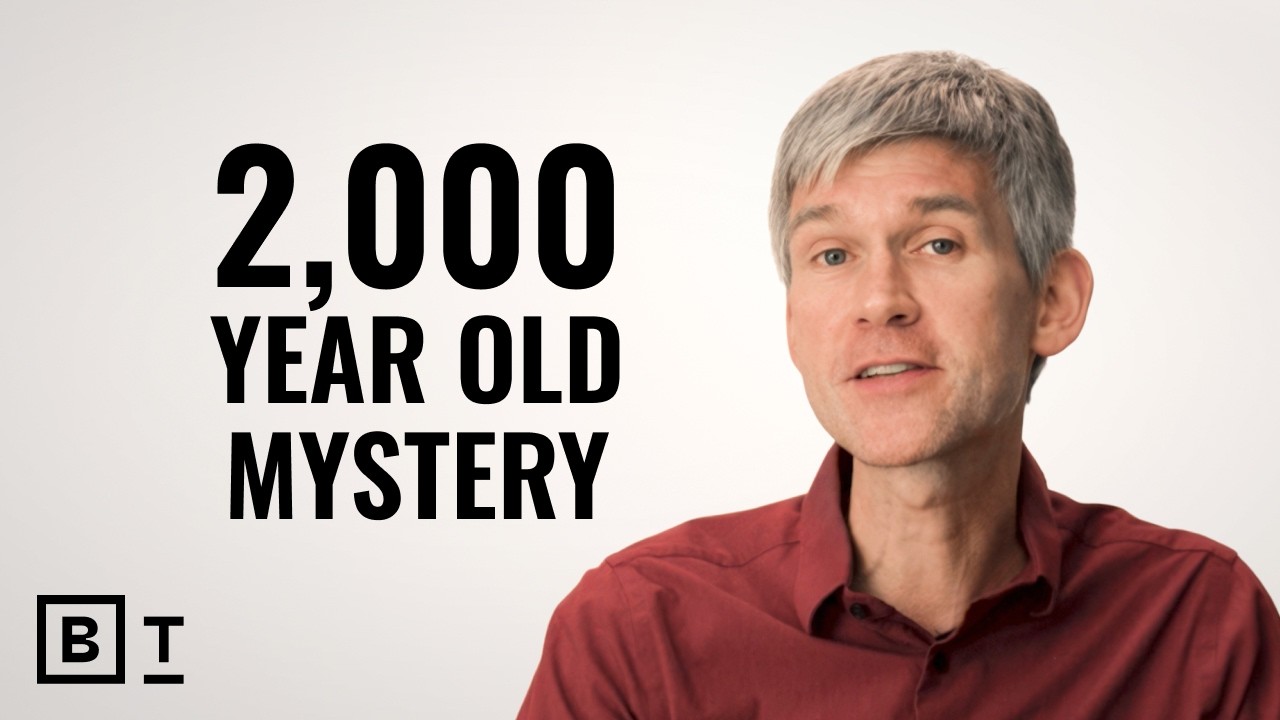
A hairdresser with no archaeology training solved a Roman mystery | Sam Kean
One idea, one expert, twenty minutes, and almost all the cost sitting in the edit. This is the knowledge format Bilibili pays a 1.3x zone multiplier for, and the one its audience pushes into the Weekly Must-Watch list.
View channel
Nebula Prophecy
@nebulaprophecy- Subscribers
- 119K
- Cadence
- 7 videos in 361d
- Avg. length
- 18:35
- Avg. views
- 3.5M
Titles it publishes
 15.6M
15.6MThey Left Him to Die in Chains… but the River Creature Had Other Plans
 3.9M
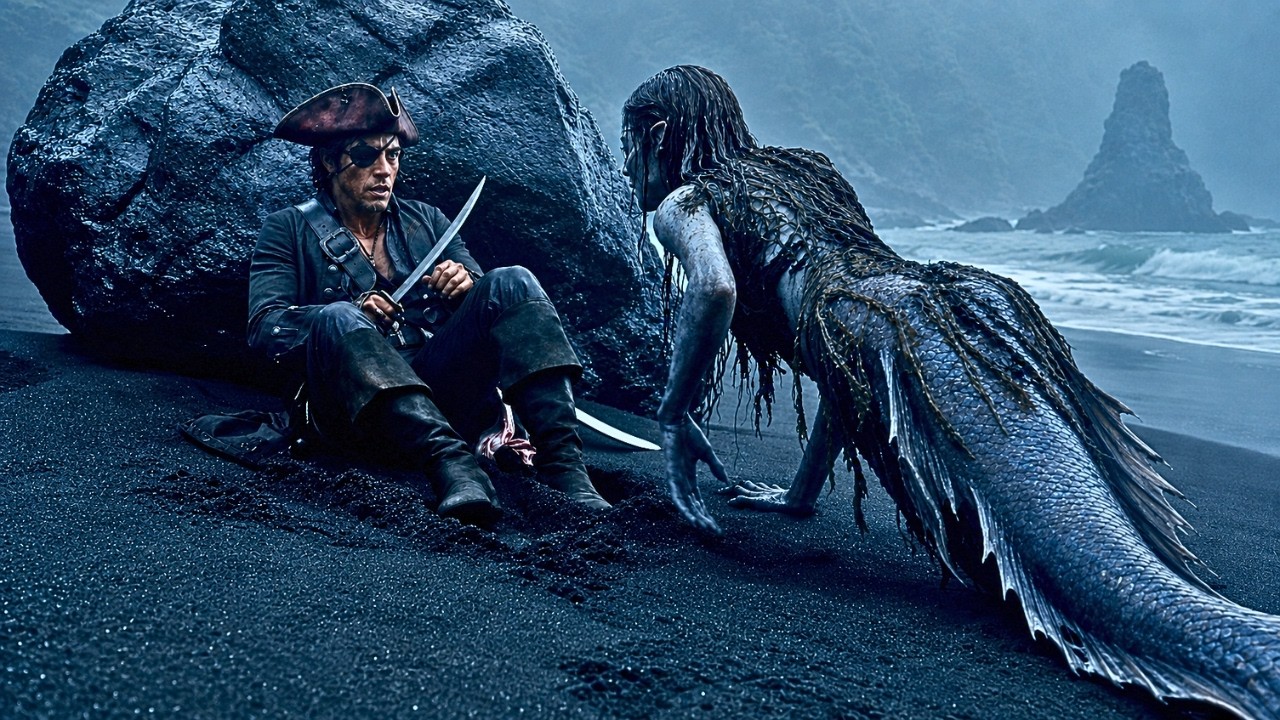
3.9MRenegade Pirate Finds a Cursed Island Where a Mermaid Offers Him a Pact in Exchange for…
 2.4M
2.4MBeautiful Explorer Finds a Savage Land but one BEAST Hunts Her and Another Saves Her
Seven videos in a year and an average of 3.5 million views on each one. It is the most seductive line on this page and the worst one to copy blind: seven uploads is not a schedule, it is seven bets that landed. What travels is the title shape, a suspended promise with a creature inside it.
View channelTech and digital: the highest RPM band we measured
Tech and digital is Bilibili's densest advertising zone, and on the measured side it is where the RPM band peaks: US$9.14 to US$13.20 per 1,000 views for these three. Compare that to gaming, which Bilibili itself discounts at 0.9x and which our own table puts at US$1.50 to US$5.00. Same platform, same effort, four times the money per view.
Look at what the three of them are actually doing. None is a review channel. All three are narrated explainers about how a thing got built: a sea wall, a microchip company, an aircraft. That is a research problem before it is a video problem, and research is the single most expensive hour in the whole production, which is why it is the first thing our pipeline takes off your hands.
States 2050 is the one to stare at. Ninety-one days old, 39 videos published, already inside the top twelve by estimated revenue. That is a video every two and a half days, sustained from a standing start. Nobody does that alone with a day job. A person with FalconVid approves a calendar once and the machine holds the cadence, which is the whole difference between this card and an empty channel with three uploads and good intentions. We took the same niche apart in the tech and AI channels teardown.

NextGen Manufacturing
@nextgenmanufacturings- Subscribers
- 160K
- Cadence
- 61 videos in 296d
- Avg. length
- 15:23
- Avg. views
- 571K
Titles it publishes
 6M
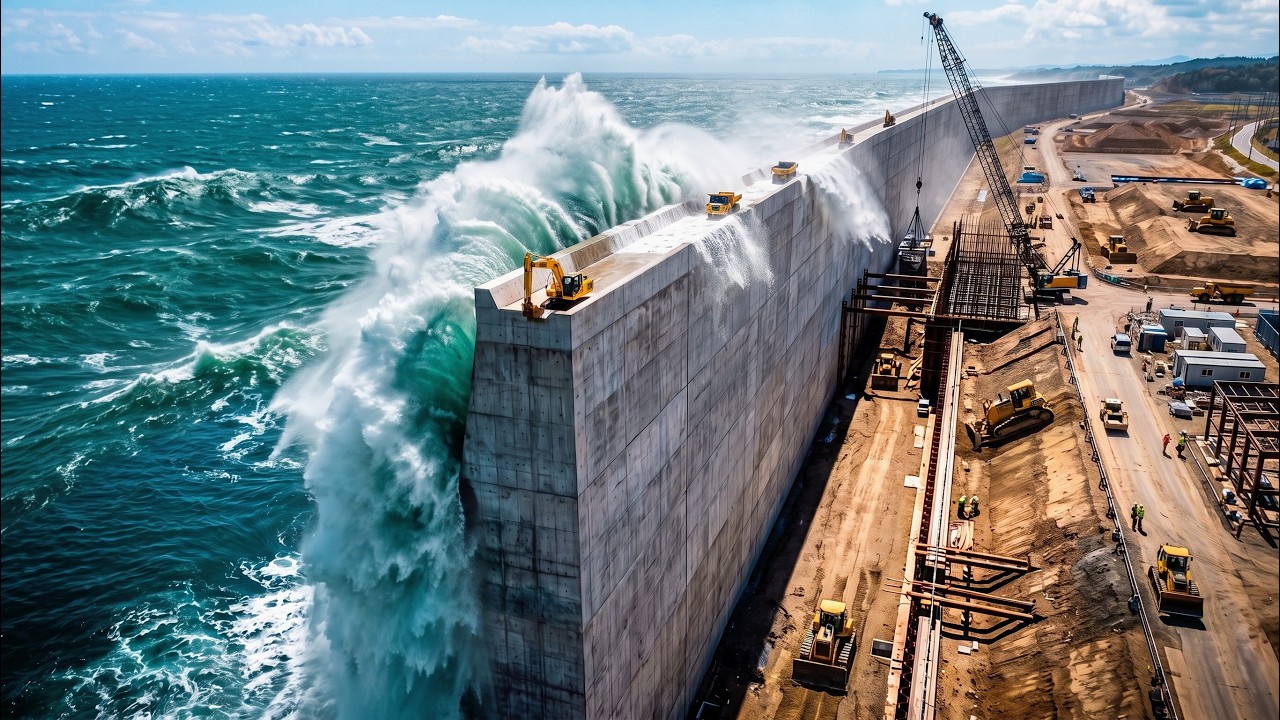
6MHow Japan Built the Impossible 400 km Great Wall that You've Never Heard Of
 2.7M
2.7MHow the White House was Built🇺🇸: Burnt, Gutted, Reborn, Inside the 5 Lives of White House
 2.5M
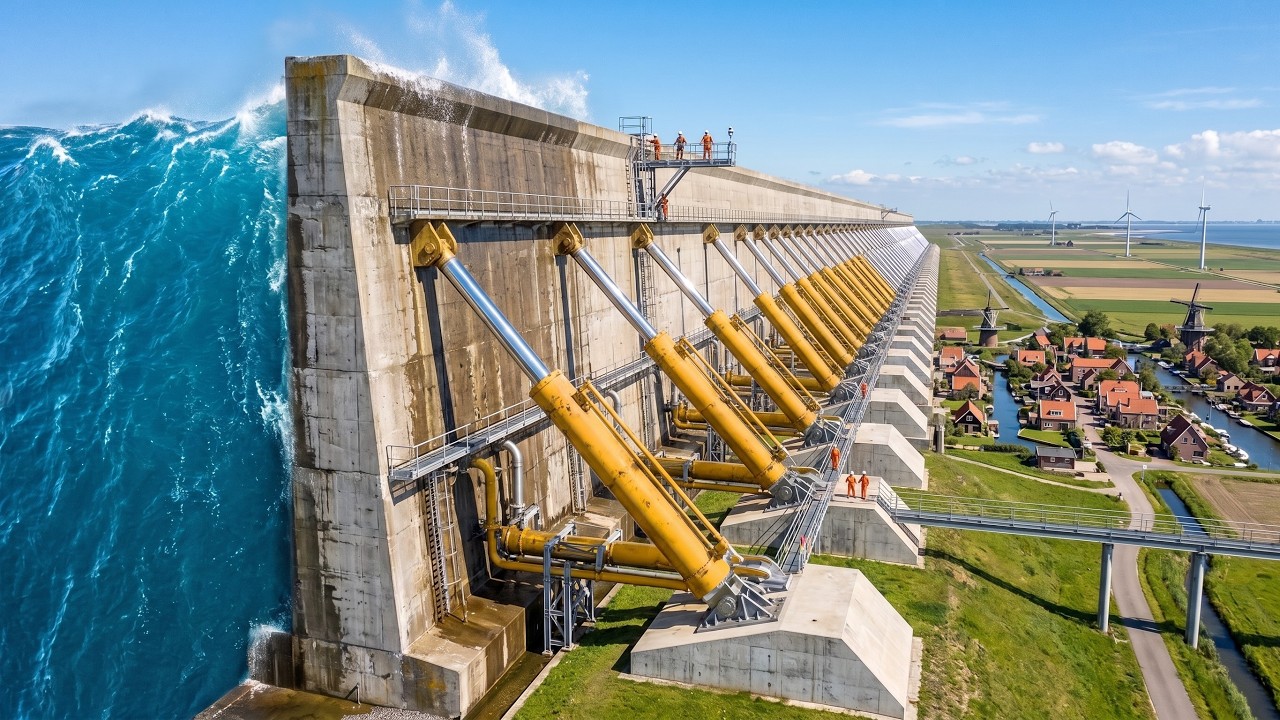
2.5MHow the Netherlands Built a Country Below Sea Level that Shouldn't Exist
Engineering megaprojects, narrated. It carries the highest RPM band on this page because the audience is US tech, and it is the closest thing here to Bilibili's tech and digital zone, where the platform's ad money concentrates.
View channel
Tech District
@techdisctrict- Subscribers
- 45.8K
- Cadence
- 69 videos in 4.1y
- Avg. length
- 27:51
- Avg. views
- 51.7K
Titles it publishes
 282.9K
Texas Instruments: The Dallas Oil Company That Accidentally Invented the Microchip and Changed Tech
 262.3K
The Rise and Fall of Nokia, the Finnish Giant That Ruled Phones Before Losing to the iPhone
 185.7K
The Fascinating Story of AOL, the Dial-Up Empire That Ruled the American Web and Destroyed Itself
Corporate history at 27 minutes a video, with an average of 51.7K views. It is the smallest audience on this page and one of the biggest checks, because RPM beats reach every time the audience buys technology in the US.
View channel
States 2050
@states2050- Subscribers
- 30.1K
- Cadence
- 39 videos in 91d
- Avg. length
- 21:48
- Avg. views
- 72.2K
Titles it publishes
 805.2K
America's New Flying Invention Is Shocking Everyone
 412.3K
Top Las Vegas Megaprojects Changing America in 2026
 263.3K
America’s New 250-Seat Plane Is Shaking The Entire Aviation Industry
Ninety-one days old and already inside the top twelve. Thirty-nine videos in three months is a cadence a person does not hold alone, and it is the cleanest argument on this page for a pipeline that publishes while you sleep.
View channelScience and curiosity: the catalogue that keeps paying
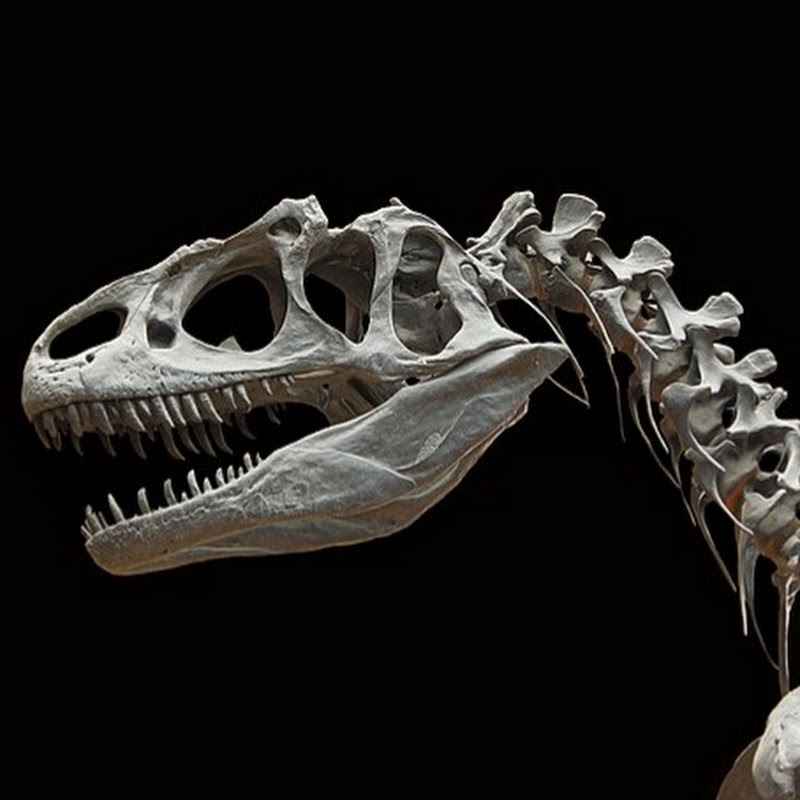
This trio is the closest thing on the page to Bilibili's science and knowledge shelf, and it carries the single most important lesson for anyone eyeing a second platform: the catalogue keeps earning. ExtinctZoo published 148 videos over four years and still pulls millions of monthly views on work uploaded long ago. Nothing about that video expires when you post it somewhere else.
Telon is the other lesson, and it is written in Spanish. Same curiosity questions as the English channels on this page, same runtime, different language, and a measured band most English channels of that size never reach. Language is a distribution decision, not a ceiling, which is the argument we made with numbers in the teardown of channels outside English and again in how much a multilingual channel really earns.
That matters here more than anywhere, because Bilibili is a Chinese-language platform with an English site on the way. The creator who wins the opening is the one who already has a catalogue and can re-voice it, not the one starting a blank channel in a language they do not speak. FalconVid narrates in 63 languages and lets you duplicate an existing project into another language paying only the difference, which is the cheapest lever in this entire article. The trade-offs between subtitling and re-voicing are in subtitles or dubbing.
ExtinctZoo
@extinctzoo- Subscribers
- 1.5M
- Cadence
- 148 videos in 4.2y
- Avg. length
- 20:44
- Avg. views
- 2.1M
Titles it publishes
 4M
4MPrehistoric Animals Preserved So Well They Look Like Roadkill
 3.8M
3.8MWhen It Rained For 2,000,000 Years
 3.3M
3.3MThe Most Brutal Prehistoric Injuries Ever Survived
Prehistory told like true crime. The catalogue keeps earning years after upload, which is the most underrated fact about this niche and the reason an old back catalogue on a second platform is close to free money.
View channel
Telon
@telon_doc- Subscribers
- 86.1K
- Cadence
- 69 videos in 3.2y
- Avg. length
- 20:31
- Avg. views
- 379.8K
Titles it publishes
 2.9M
2.9MQué Tan Profundo Podemos Llegar Bajo Tierra
 1.9M
1.9MPor Qué Los Aviones Cruzan El Atlántico Por La Noche
 1.5M
1.5MCuánta Electricidad Produce Una Turbina Eólica
The proof that language is a distribution decision, not a ceiling. Same curiosity questions as the English channels above, in Spanish, with a measured revenue band that would embarrass most English channels of the same size.
View channel
GoDocs
@godocumentaries- Subscribers
- 24K
- Cadence
- 51 videos in 2.4y
- Avg. length
- 15:17
- Avg. views
- 113.1K
Titles it publishes
 1.6M
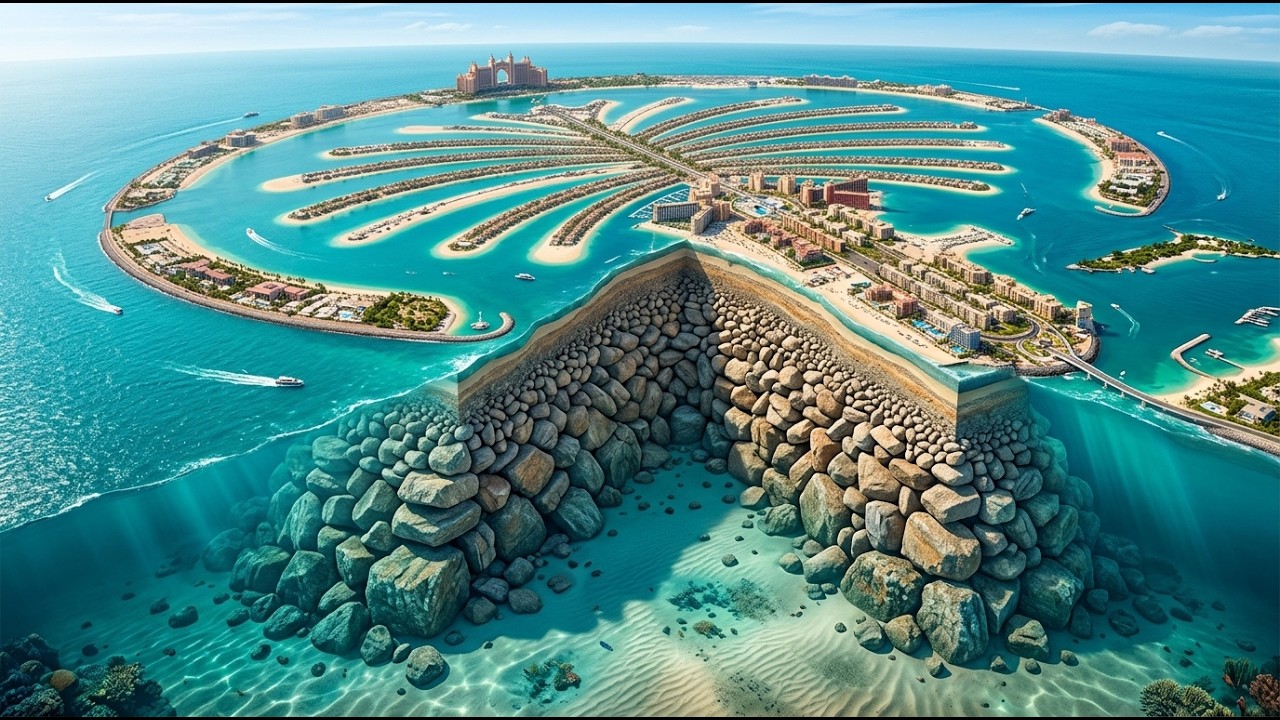
1.6MWhy Isn't Dubai's Palm Jumeirah Sinking? How Engineers Turned Sand into Steel
 1M
1M12,262 Meters Deep - The Shocking Discoveries That Broke Science
 862.7K
Can We Turn a Desert Into a Forest? The Green Great Wall
Twenty-four thousand subscribers and a five-figure monthly band. Subscriber count is the vanity number; the measured views of the month are the one that pays, and this channel is the cleanest proof of it on the page.
View channelKnowledge: the zone Bilibili pays 1.3x for
Knowledge carries the highest zone multiplier on Bilibili, 1.3x, and it is not a coincidence. It is the zone with the best completion rate, the highest triple rate, and the only one with a paid-course tap sitting on top of it at RMB 5,000 to 20,000 a month. If you are picking one shelf to open on that platform, this is the shelf.
These three show the range inside it. Ink Explainer runs under nine minutes with fourteen videos total. OctoLab runs thirty minutes and has been publishing for sixteen years. EverythingProfessor repeats one title skeleton, "every X explained", until the skeleton itself became the brand. All three sit in a niche where the answer is more valuable than the personality, which is exactly why none of them needs a face on camera.
That title skeleton is worth stealing on purpose. It survives translation intact, it tells the algorithm what the video is in four words, and it makes the next thirty videos obvious to plan. We collected the seven patterns that repeat across every niche in the 7 viral title patterns, and inside FalconVid the same idea shows up as channel DNA: you lock the format once and every new video is born already speaking in that shape.

Ink Explainer
@inkexplainer96- Subscribers
- 62.8K
- Cadence
- 14 videos in 144d
- Avg. length
- 8:53
- Avg. views
- 497.2K
Titles it publishes
 1.7M
1.7MWhat Did Ancient Humans Actually Do All Day?
 1.5M
1.5MWhat Did Ancient Humans Do When It Rained All Week?
 1M
1MWhy Are We the Only Human Species Left? What happened to others..
Fourteen videos, under nine minutes each, one recurring question shape: what did ancient humans actually do. Short knowledge videos hold the best completion rate, and completion rate is what Bilibili ranks on since it swapped its public counter from plays to minutes watched.
View channel
EverythingProfessor
@everythingprofessor- Subscribers
- 628K
- Cadence
- 84 videos in 1.7y
- Avg. length
- 19:45
- Avg. views
- 553.9K
Titles it publishes
 4.5M
4.5MEvery Mental Disorder & Their Effects Explained
 3.4M
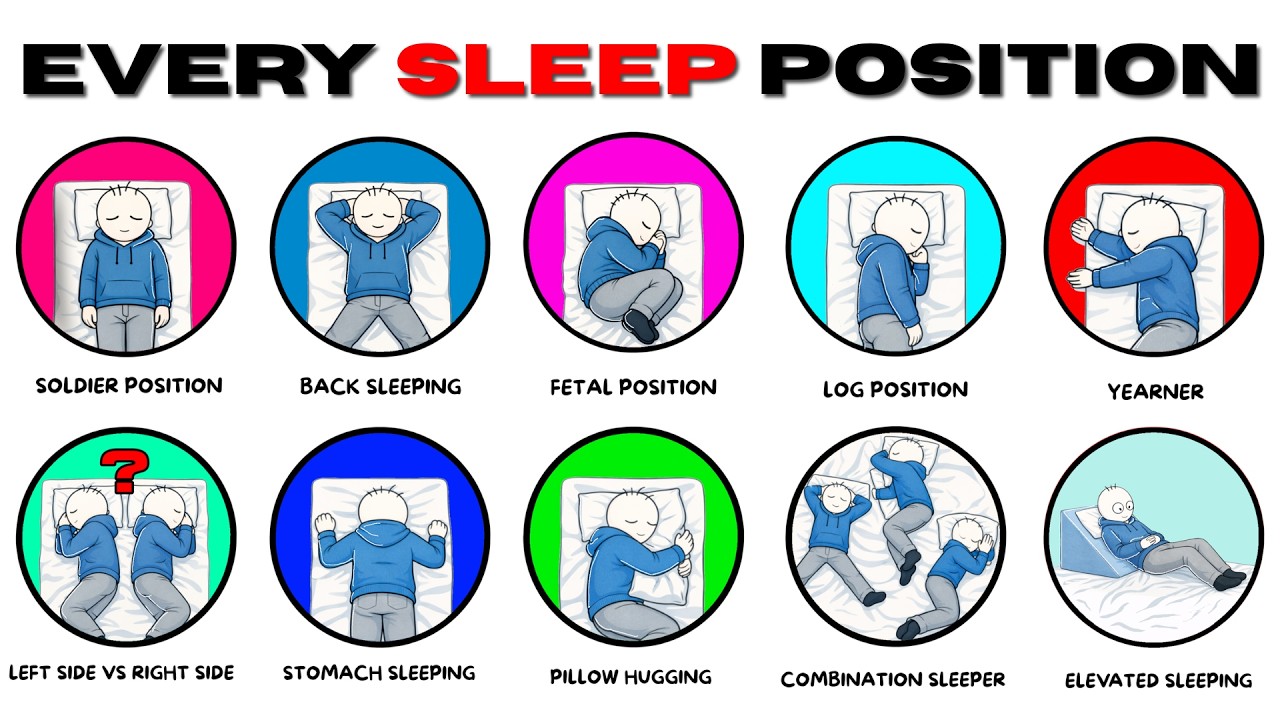
3.4MEvery Sleeping Position & Their Effects Explained
 2M
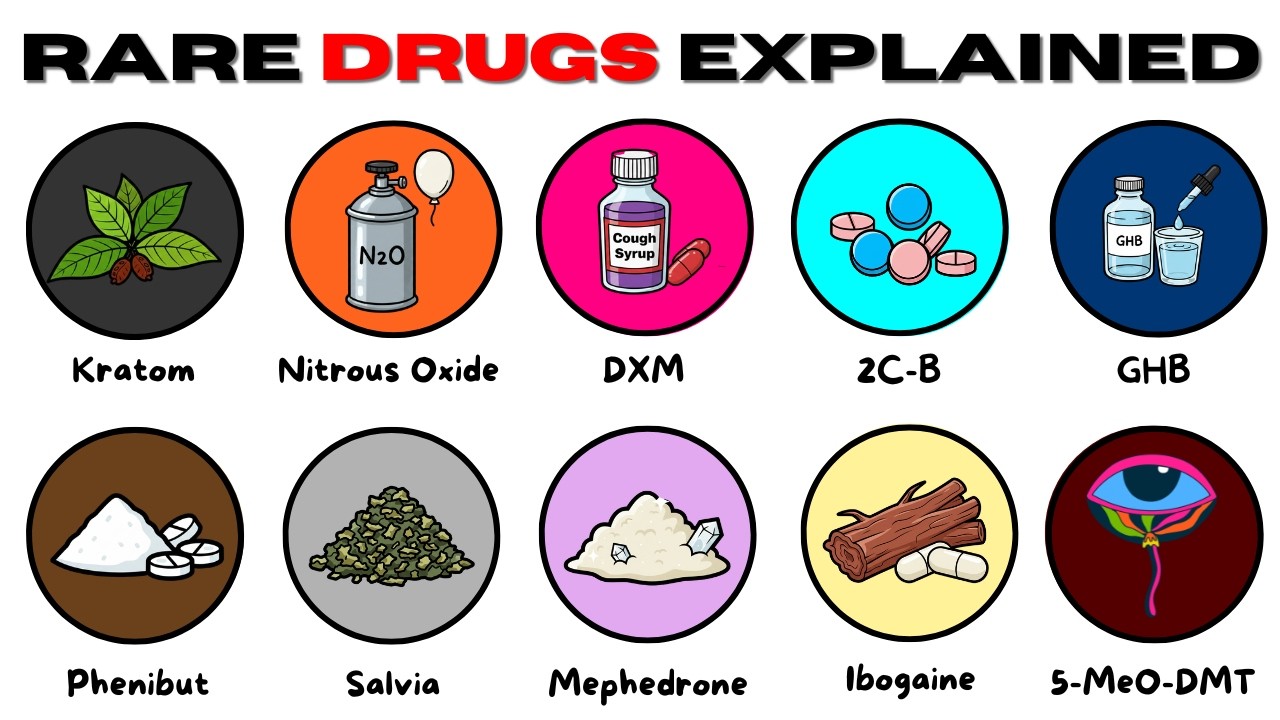
2MEvery Rare Drug & Its Effects Explained in 21 Minutes
The "every X explained" skeleton, repeated until it became a brand. It is the most portable title pattern on this list: it survives translation intact, which matters when the second platform speaks another language.
View channel
OctoLab
@octolabyt- Subscribers
- 56.8K
- Cadence
- 94 videos in 16.2y
- Avg. length
- 30:01
- Avg. views
- 118.2K
Titles it publishes
 5.6M
5.6MWhy The Ocean's Deadliest Predator Refuses To Kill Us
 917.6K
Why Sperm Whales Are The Most TERRIFYING Apex Predator On Earth
 550.7K
Why Do Sperm Whales TERRIFY Orca?
Thirty-minute ocean documentaries from a channel that has been publishing for sixteen years. The long runtime is the point: on a platform that counts minutes watched instead of plays, a 30-minute video that holds is worth several short ones.
View channelHow a video actually goes viral on Bilibili
Bilibili's recommendation system is a hybrid: collaborative filtering, content analysis, behaviour modelling and a heat weighting on top. The practical consequences are three, and they are all measurable before you publish anything.
First, completion rate outranks plays. Since the 2023 switch to minutes watched, the system explicitly favours low-view videos with high interaction and high completion, and pushes them into wider circulation. A 12-minute video that holds 60% beats a 3-minute video that holds 40%, even at a fraction of the clicks. Second, triple rate is the quality vote. Coins are scarce, so a coin means something a like never did, and triple rate feeds straight back into the payout multiplier. Third, there is a curation layer, the Weekly Must-Watch list, and landing there is a step change rather than a slope.
The tactical read: front-load the hook, keep the runtime honest to the promise, give the audience an explicit reason to spend a coin, and seed the first bullet comments yourself so the frame is not empty when the first hundred people arrive. The first two of those are production problems. FalconVid writes the hook as a distinct step in the pipeline, with its own script pass and its own narration, precisely because the first thirty seconds decide the other eleven minutes.
How to spy on Bilibili before you post anything
You do not need to guess what works there. The Chinese analytics ecosystem is mature and public. Huoshaoyun aggregates data on roughly 3.8 million creators, with rankings, hot-video boards, word-frequency analysis on titles, zone share, runtime distribution and posting-time distribution. Feigua's Bilibili edition publishes category rankings updated continuously. The platform's own Weekly Must-Watch page is a free curated list of exactly what the editors chose to amplify this week.
Do the boring version of the work and you will have your answer in an afternoon: open the rankings for the zone you want, write down the twenty most-played videos of the last thirty days, and count how many of them are formats you could reproduce without appearing on camera. Then check the runtime distribution, because that is your target length, and the posting-time distribution, because that is your slot.
That gives you the Chinese half. The other half is the format library, and that is what our own Spy is for: 211,507 channels, monetization confirmed, estimated revenue by niche and country, and the real titles and thumbnails of the videos that carried each channel. We wrote the full step by step in the complete faceless channel guide. The workflow that works is boring and repeatable: find the format on the side you can measure, then publish it on the side that is still empty.
How FalconVid builds one of these videos, step by step
This is the part the rest of the page has been pointing at, so here is the machine without the marketing. You give FalconVid a channel: a niche, a language, a voice, a visual identity. It generates a topic calendar. You approve the calendar. From that point the pipeline runs by itself, and it runs in parallel, with specialist AI agents working at the same time instead of one after another.
Step one is research: real sources, current data, structured into a brief. Step two is the script, written to a retention curve, with the hook treated as its own module because it decides everything after it. Step three is narration, ultra realistic premium voices, in any of 63 languages. Step four is imagery: every scene generated or sourced to match the line being narrated at that second. Step five is the edit, where narration, scenes, background music and sound effects are stitched, and karaoke-style subtitles are burned in with more than 15 styles to choose from. Step six is packaging: title, description, tags and a thumbnail built for click-through. A finished video lands in as little as 30 minutes, and how long that really takes is broken down in how long a 12-minute AI video really takes.
You choose the quality mode, and the mode is the price. Economy costs 1,731 credits for a 12-minute video, balanced 4,597, premium 16,131 with the top-tier engines. Nothing about creation is locked behind a plan: every plan gets the whole platform, and what changes is volume, channels and how many videos run at the same time. If you want the honest comparison of what each mode actually looks like on screen, it is in economy or premium mode.
And when the first cut is not right, you do not start over. The Studio lets you watch the V1 and fix it: cut the intro, swap a scene, change the music, or open the full timeline. Fixing costs a handful of credits. Regenerating costs the whole video. That difference is why the Studio exists.
Publishing there: what is automatic today, and what is still you
Straight answer, no spin. FalconVid publishes and schedules automatically today on YouTube, Instagram, TikTok, Facebook and Rumble, each with its own calendar, from one approved plan. Bilibili is not on that list yet. Direct publishing to Bilibili is on our roadmap and we are working on it, and we will say so here the day it ships and not before.
Until then the flow is the one every early creator on a new platform uses: the pipeline produces the finished file, in the language and aspect ratio you asked for, and you upload it there yourself. That is a few minutes per video, not a production day, and it is the same file that already went out automatically on the other five networks. The rules for reusing one video across platforms without tripping duplicate-content assumptions are in the same video on 5 networks.
One caveat worth stating loudly, because it decides whether the whole plan is even legal for you: Bilibili pays in CNY, into a verified Alipay account or a mainland Chinese bank account, after real-name verification. Foreign creators routinely route this through a Chinese partner or an MCN. Sort the payout question out before you produce thirty videos for that platform, not after.
The monthly bill of feeding two platforms
Concrete numbers, from the live pricing engine. Starter includes 15,000 credits. In economy that is about 8 videos of 12 minutes, roughly 96 minutes of finished video. Nobody actually runs a whole month in a single mode, they mix, so the realistic Starter plan of work is 5 economy videos plus one in balanced, which is 13,252 of the 15,000 credits. One channel, two videos rendering at the same time.
Pro with 30,000 credits: about 17 economy videos or 6 in balanced, 5 channels, 5 running at once. Business with 95,000: 54 economy, 20 balanced, 10 channels. Agency with 190,000: 109 economy, 41 balanced, 25 channels. Scale with 320,000: 184 economy, 69 balanced, 50 channels and 50 videos rendering simultaneously. Annual billing charges 10 months instead of 12.
Now the part that makes two platforms cheap: the second platform costs zero extra credits. The file is already rendered. Publishing the same video on YouTube and uploading it to Bilibili is one production and two distributions. The only line that costs anything is the language version, and duplicating a project into another language bills only the difference. Against that, the manual route for one 12-minute researched video is 9 to 13 hours between research, script, voice, footage, edit and packaging. That is the comparison, and we ran it in full in how much a faceless channel costs.
Four risks nobody writes about
The payout wall. Everything above assumes you can receive CNY. If you cannot, the incentive, Charging and Sparkle are all theory. Solve this first.
Moderation is not YouTube's moderation. Bilibili operates under Chinese content rules, and the international app is described as carrying the same content as the Chinese version with AI-assisted moderation on top. Political, historical and health topics that pass elsewhere do not automatically pass there. Pick zones where this is a non-issue: science, engineering, food, knowledge, ACG.
The formula moves. The incentive was cut in 2024 and creator income fell hard for small channels. A business built on the incentive alone is a business built on someone else's spreadsheet. The five-tap stack exists for a reason.
AI labelling. Wherever you publish, disclose synthetic content according to that platform's rules. We wrote what to mark and what happens if you get it wrong in the YouTube AI content label, and whether AI video gets monetized at all in does YouTube monetize AI video.
The ceiling belongs to the manual operation, not to the platform
Add the page up. The Bilibili incentive alone is worth cents per thousand plays. The stack around it, Charging plus Sparkle plus courses, is worth real money, and every tap in it rewards the same thing: a lot of videos, in one zone, with a consistent identity, published without gaps. That is the requirement, and it is the requirement on every platform in this article.
Done by hand, that requirement is where the plan dies. Nine to thirteen hours a video means four videos a month if you are disciplined and have nothing else to do. Four videos a month will never trigger Charging, will never get you a Sparkle deal, and will never put you in the Weekly Must-Watch. That is a ceiling of the manual operation, not of the platform, and it is exactly the ceiling that disappears when the pipeline runs it.
On the automated side the same month looks different. Starter puts out around 8 economy videos, one channel. Pro runs 5 channels. Scale runs 50 channels and 50 videos at the same time, each with its own calendar, identity and language. The one who is ready when Bilibili's English site goes live is the one who already has a catalogue in three languages, not the one who starts writing scripts that week.
You can test the whole thing before paying anything. The free plan gives you 4 videos a month, forever, no card, up to 3 minutes each, so you can see the research, the narration, the scenes and the edit come out the other side with your own niche in the box. Publishing, extra channels and the longer formats live on the paid plans. Create your free account and generate the first four.